817-599-7005


How Do You Challenge the Accuracy of a Breath Test in Texas?
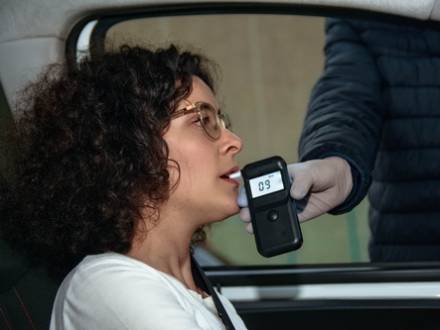 Breath test results are not 100 percent reliable, and challenging them is one of the most effective ways to fight a DWI charge in Texas. These devices can produce inaccurate results for many reasons, and an experienced attorney knows exactly where to look for problems. If you are facing a DWI charge in 2026, a Parker County, TX DWI defense lawyer can review your case and find every possible way to challenge that evidence.
How Do Breath Tests Work in Texas DWI Cases?
When a driver is arrested for DWI in Texas, law enforcement typically uses a breathalyzer device to measure blood alcohol concentration, or BAC. This device analyzes a breath sample and estimates the amount of alcohol in the driver's blood based on what it detects in the breath.
Under Texas Transportation Code Section 724.012, a person arrested for DWI may be asked to provide a breath or blood sample. The results can be used as evidence in a criminal case. But the accuracy of those results depends on whether the device was working properly, whether it was maintained correctly, and whether the officer followed all required steps.
How Can a Breathalyzer Produce Inaccurate Results in a DWI Case?
Breathalyzers are sensitive machines that require regular maintenance, proper calibration, and correct use by a trained operator. When any of those conditions are not met, the results can be unreliable.
Factors that can cause a false or inflated reading include:
- The breath testing equipment was improperly calibrated.
- The device had not received the required maintenance.
- The officer was not properly certified to administer the test.
- The mandatory observation period was not followed.
- Mouth alcohol interfered with the breath sample.
- A medical condition affected the accuracy of the breath test.
- A metabolic condition caused the device to produce an inaccurate result.
Any one of these issues can undermine the reliability of a breath test result.
What Is the Required Observation Period Before a Breath Test in Texas?
Before administering a breath test, officers are generally expected to observe the suspect continuously for at least 15 minutes to ensure the person does not eat, drink, smoke, burp, or regurgitate before the test, all of which can affect the reading.
If there are questions about whether that observation period was properly completed, the defense may challenge the reliability of the breath test. Defense attorneys often request dashcam and bodycam footage to verify whether the observation period was actually followed. If it was not, it could create a serious problem for the prosecution.
How Do Maintenance and Calibration Records Help a DWI Defense?
Texas evidential breath-testing devices are subject to maintenance and calibration requirements overseen by the Texas Department of Public Safety. Your attorney can request the maintenance and calibration records for the specific device used in your case.
If the records show the device was overdue for service, had been flagged for problems, or was not calibrated correctly, that creates doubt about the accuracy of your result. In some cases, those records reveal a device with a history of producing inaccurate readings, which can be powerful evidence for your defense.
Can Medical Conditions Affect Breath Test Results in Texas?
Several medical conditions can cause a breath test to produce a falsely high reading that has nothing to do with how much alcohol you actually consumed.
Acid reflux and GERD can cause stomach contents to rise into the mouth or throat. If this happens during a breath test, the device may detect mouth alcohol and produce a higher reading than your actual BAC. Diabetes and low-carbohydrate diets can cause the body to produce acetone. Certain medical or metabolic conditions may interfere with breath-test accuracy in some circumstances, depending on the device used and the facts of the case.
That can lead to a false positive or an inflated result, even in someone who has not been drinking at all.
If you have any of these conditions, your attorney can explore whether they affected your test result.
What Happens if a Breath Test Is Thrown Out in a Texas DWI Case?
If your attorney successfully challenges the breath test and the court agrees to suppress it, the prosecution loses one of its most important pieces of evidence. Without a BAC reading, the state has to rely entirely on the officer's observations and field sobriety test results to prove intoxication. That may leave the prosecution with a significantly weaker case, and gives your attorney far more room to fight for a dismissal or a reduction in charges.
Schedule a Free Consultation With Our Weatherford DWI Defense Attorney
Challenging a breath test takes a detailed understanding of how these devices work, what the legal requirements are, and where the process breaks down. Soraya Joslin, P.C., served as an Assistant District Attorney for several years before moving to the defense side. That means she knows exactly how prosecutors build DWI cases and where those cases have weaknesses. With almost 30 years of legal experience, she brings the knowledge and skill to fight hard for the best possible outcome.
Contact our Parker County, TX DWI defense lawyer at 817-599-7005 to schedule your free consultation today.

Free Consulations Call 817-599-7005
From our office in Weatherford, we represent clients in communities throughout Parker County, Wise County, Jack County, Eastland County, Johnson County, and Hood County, including Willow Park, Hudson Oaks, Springtown, Mineral Wells, Briar, Azle, Decatur, Bridgeport, Jacksboro, Cleburne, Keene, Joshua, Burleson, Alvarado, Granbury, Oak Trail Shores, DeCordova, Pecan Plantation, Eastland, Cisco, and Ranger.
Results listed are not a guarantee or indication of future case results.

