817-599-7005


How Is Intent To Deliver Drugs Proven in Texas?
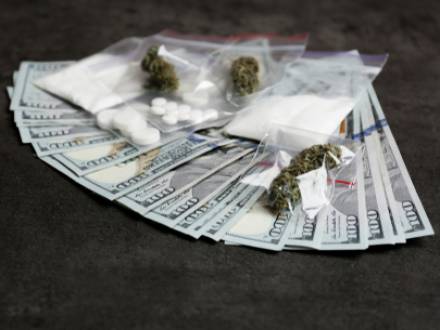 An intent to deliver charge often catches people off guard because it does not always involve an alleged drug sale. In many cases, the accusation is based on how officers interpret the situation rather than on direct evidence of distribution. Understanding how prosecutors draw these conclusions is an important first step in responding to the charge.
As of 2026, Texas courts continue to closely examine intent in drug cases, and early decisions can have a lasting impact on the outcome. If you are facing charges, speaking with a Weatherford, TX drug crimes defense lawyer is the first step in building your defense.
What Does Intent To Deliver Mean Under Texas Law?
In Texas, intent to deliver is usually charged as possession of a controlled substance with intent to deliver. These cases are governed by the Texas Controlled Substances Act, including Texas Health and Safety Code § 481.112 and related sections, depending on the drug involved.
The key issue is not just possession. Prosecutors must also show that the person intended to distribute the drugs to others. Deliver can mean selling, transferring, or even offering to sell drugs.
Do Prosecutors Have To Prove a Drug Sale Happened in an Intent To Deliver Case?
Prosecutors do not need proof of an actual sale. You can be charged with intent to deliver even if no buyer was found and no money changed hands.
Instead, the state looks at the surrounding circumstances. Officers and prosecutors argue that certain facts point to distribution rather than personal use.
What Evidence Is Commonly Used To Prove Intent To Deliver?
Because intent cannot be seen directly, prosecutors rely on indirect evidence. Courts allow juries to consider multiple factors together.
Common examples include:
-
The amount of drugs involved
-
How the drugs were packaged
-
Large amounts of cash
-
Scales, baggies, or packaging materials
-
Text messages or phone records
-
Statements made during or after arrest
No single item automatically proves intent. Prosecutors often argue that the combination of evidence demonstrates distribution activity.
How Does the Amount of Drugs Affect an Intent To Deliver Charge?
The quantity of drugs is often a major factor. Larger amounts may suggest the drugs were intended for distribution instead of personal use.
For example, drugs divided into several small baggies may raise different concerns than a small amount kept in one container. That said, the amount alone is not enough. A defense may argue that the drugs were for personal use, especially when there is no other supporting evidence.
Can Packaging and Drug Paraphernalia Be Used Against You in an Intent To Deliver Case?
Packaging is often used to support intent allegations. Drugs separated into uniform portions are commonly cited by prosecutors.
Items such as digital scales or empty baggies may also be mentioned. Many of the items that can be considered evidence of distribution also have common household uses. A defense may challenge whether these items actually relate to drug activity or whether they have lawful explanations.
Do Text Messages and Phone Records Matter in Intent To Deliver Cases?
Phone evidence is increasingly used in Texas drug cases. Prosecutors may review messages, call logs, or social media activity to suggest you were engaged in drug-related communication.
Messages that seem vague or unclear can still be interpreted as evidence. Defense strategies often focus on context, authorship, and whether the messages truly relate to drug distribution.
How Do Police Procedures Affect Intent To Deliver Cases?
Police must follow strict rules when stopping, searching, and arresting someone. If those rules are not followed, it can affect what evidence is allowed in court.
Illegal stops, searches, or seizures may lead to evidence being challenged. These issues are often raised before trial and can significantly affect the case.
Schedule a Free Consultation With Our Parker County, TX Drug Crimes Defense Attorney
If you are facing intent to deliver charges, Soraya Joslin, P.C. can help. Our Weatherford, TX drug crimes defense lawyer brings almost 30 years of legal experience to every case. Attorney Soraya Joslin previously served as an Assistant District Attorney and understands how the criminal justice system works from both sides. Call 817-599-7005 to speak with her about your case and how to challenge the charges against you.

Free Consulations Call 817-599-7005
From our office in Weatherford, we represent clients in communities throughout Parker County, Wise County, Jack County, Eastland County, Johnson County, and Hood County, including Willow Park, Hudson Oaks, Springtown, Mineral Wells, Briar, Azle, Decatur, Bridgeport, Jacksboro, Cleburne, Keene, Joshua, Burleson, Alvarado, Granbury, Oak Trail Shores, DeCordova, Pecan Plantation, Eastland, Cisco, and Ranger.
Results listed are not a guarantee or indication of future case results.

